
Ayurvedic treatment for thyroid focuses on balancing the body naturally by improving digestion, supporting metabolism, reducing stress, and maintaining a healthy lifestyle. Thyroid disorders have become increasingly common due to poor diet, irregular routine, hormonal imbalance, stress, and environmental factors. Many people seek natural approaches because they prefer long-term balance rather than only symptom management.
Ayurveda views thyroid imbalance as a disruption of the body's internal harmony. Instead of focusing only on the gland, Ayurvedic principles emphasize improving overall health, digestion, mental calmness, and daily habits.
Important Note: This article is for educational purposes only. Thyroid disorders are medical conditions. Always consult a qualified doctor before starting any treatment, herb, or dietary change.
For general scientific understanding of thyroid health, you can explore public research information available through trusted medical resources such as the National Center for Biotechnology Information.
Overview of Ayurvedic Treatment for Thyroid
| Topic | Ayurvedic Treatment for Thyroid |
|---|---|
| System | Ayurveda |
| Health Focus | Metabolism, Hormonal Balance, Digestion |
| Common Types | Hypothyroidism, Hyperthyroidism |
| Key Focus Areas | Diet, Lifestyle, Stress Management |
| Category | Ayurvedic Remedies |
What is Thyroid Disorder?
The thyroid is a small gland located in the neck that plays an important role in regulating metabolism, energy levels, body temperature, and hormonal balance. When the thyroid produces too little or too much hormone, it can lead to health issues.
The two most common thyroid conditions are:
- Hypothyroidism – when the thyroid produces insufficient hormones
- Hyperthyroidism – when the thyroid produces excess hormones
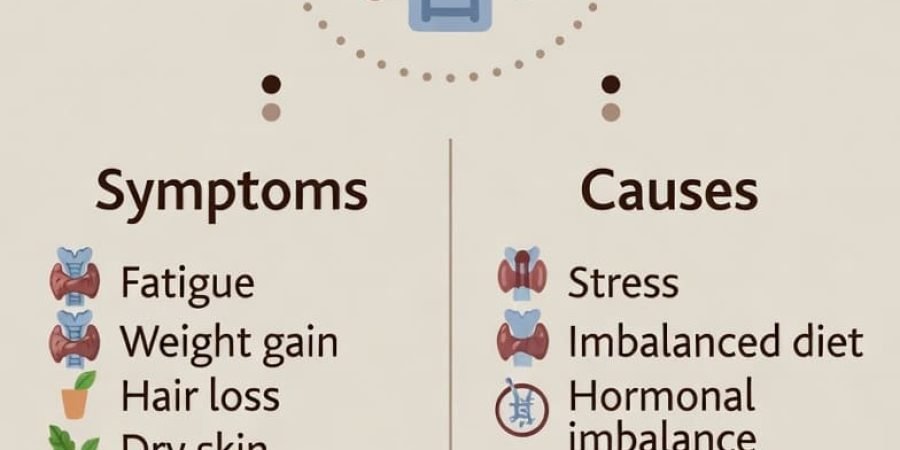
Common Symptoms of Thyroid Imbalance
- Unexplained weight gain or weight loss
- Persistent fatigue and low energy
- Hair fall and dry hair
- Mood swings, anxiety, or depression
- Irregular menstrual cycle in women
- Sleep disturbances
- Sensitivity to cold or heat
- Dry skin
Causes of Thyroid Problems
- Chronic stress
- Poor dietary habits
- Nutrient deficiencies
- Hormonal imbalance
- Irregular lifestyle and sleep pattern
- Family history
- Environmental factors
Thyroid According to Ayurveda
According to Ayurvedic principles, thyroid imbalance is often associated with disturbance in Kapha, Vata, and Pitta doshas along with weak digestive fire (Agni). Poor digestion can lead to toxin accumulation (Ama), which affects the body's metabolic processes.
Ayurvedic treatment for thyroid focuses on:
- Strengthening digestion
- Balancing doshas
- Supporting metabolism
- Improving daily routine
- Managing stress naturally
Diet Plan According to Ayurvedic Treatment for Thyroid
Diet plays a crucial role in maintaining thyroid balance. Eating fresh, nourishing foods supports better digestion and overall metabolism.
- Prefer freshly cooked warm meals
- Include seasonal fruits and vegetables
- Eat soaked nuts and seeds in moderation
- Use natural oils like sesame oil and cow ghee
- Drink warm water throughout the day
- Eat meals at regular times
Foods to Avoid
- Highly processed packaged foods
- Excess refined sugar
- Junk food and deep-fried items
- Excess caffeine
- Cold beverages and ice-cold foods
Best Herbs Traditionally Used in Ayurvedic Treatment for Thyroid
Ashwagandha
Ashwagandha is traditionally used to support stress balance and overall vitality. Since stress strongly affects hormonal health, managing stress is an important aspect of thyroid care.
Brahmi
Brahmi supports mental calmness and focus. Emotional well-being plays a key role in maintaining hormonal balance.
Guduchi
Guduchi is valued in Ayurveda for supporting immunity and overall balance in the body.
Triphala
Triphala supports digestion and gentle detoxification, which is important when focusing on metabolic balance.
Turmeric
Turmeric is known for its traditional use in supporting internal balance and overall wellness.
Lifestyle Tips That Support Thyroid Balance
- Follow a consistent daily routine
- Sleep for 7–8 hours regularly
- Practice gentle yoga and breathing exercises
- Avoid excessive screen time before bed
- Take breaks from continuous stress
- Spend time outdoors
Managing stress is also important for overall wellness, and similar principles are discussed in natural health topics such as Ayurvedic treatment for hair fall.
When Should You Consult a Doctor?
If you experience persistent symptoms such as extreme fatigue, sudden weight changes, irregular heartbeat, or emotional instability, it is important to consult a qualified healthcare professional for diagnosis and treatment.
Frequently Asked Questions
Can Ayurvedic treatment help manage thyroid naturally?
Many individuals find improvement in overall well-being by following healthy diet, lifestyle balance, and stress management along with professional guidance. Results vary depending on individual health conditions.
How long does it take to see improvement?
Hormonal balance takes time. Consistency in diet, lifestyle, and medical guidance is essential for long-term improvement.
Is diet important in thyroid management?
Yes. Diet plays a major role in digestion, metabolism, and overall hormonal balance, which directly affects thyroid health.
Conclusion
Ayurvedic treatment for thyroid focuses on improving digestion, balancing lifestyle, reducing stress, and supporting overall body harmony. A consistent healthy routine combined with professional medical guidance can help individuals move toward better balance and well-being.
Author Note: This article is written for educational awareness based on traditional Ayurvedic concepts and general wellness practices.