Impact of the WHO Global Summit on Traditional Medicine on Global Healthcare
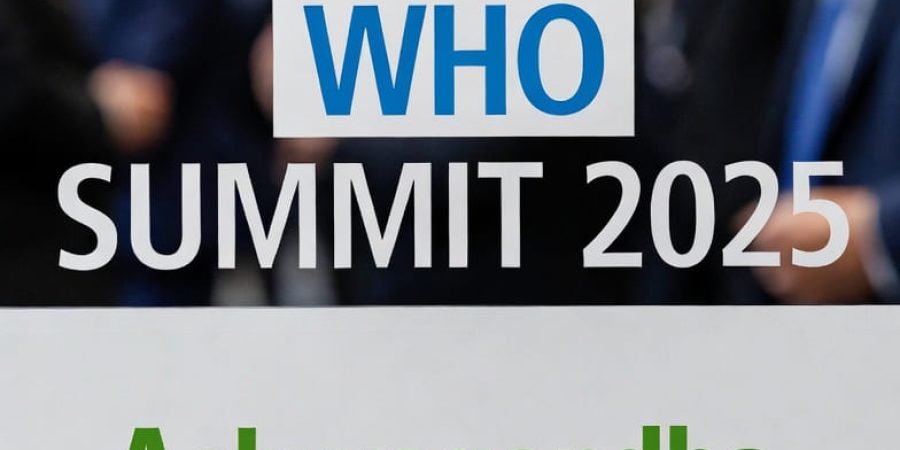
The WHO Global Summit on Traditional Medicine marks an important milestone for Ayurveda. The World Health Organization (WHO) officially hosted the Global Summit on Traditional Medicine, bringing Ayurveda into global healthcare discussions.This event is not just news — it represents a meaningful shift for Ayurveda students, practitioners, researchers, and institutions worldwide.
One of the notable outcomes of this global attention is the increasing focus on key Ayurvedic herbs such as
Ashwagandha
, which is now discussed internationally as an example of evidence-based traditional medicine aligned with modern healthcare needs.
In this article, we explain what happened at the WHO Global Summit on Traditional Medicine, why it matters, and how it may influence the future of Ayurveda globally.
Global Interest in Traditional Medicine Is Growing
Across many countries, there is a growing interest in natural healing systems, preventive healthcare, and holistic wellbeing. Governments, universities, and healthcare institutions are increasingly exploring how traditional medicine systems like Ayurveda can be researched, standardized, and responsibly integrated into modern healthcare. This global shift further strengthens the relevance of Ayurveda in the years ahead.
WHO Global Summit on Traditional Medicine Explained
The WHO Global Summit on Traditional Medicine was organized to promote the safe, effective, and evidence-based integration of traditional medicine systems into global healthcare frameworks.
The summit focused on objectives such as:
- Promoting evidence-based traditional medicine
- Encouraging integration of systems like Ayurveda, Yoga, Unani, Siddha, and Homeopathy with modern healthcare
- Developing global standards, research frameworks, and healthcare policies
India played an active leadership role during the summit, highlighting Ayurveda as a preventive, sustainable, and globally relevant healthcare system.
Why This Summit Is Important for Ayurveda
Global Recognition for Ayurveda
- Emphasis on prevention, lifestyle management, and holistic health
- Potential to complement modern medicine in long-term health conditions
- Encouragement for structured research and international collaboration
This recognition positions Ayurveda more clearly within global healthcare dialogue.
Evidence-Based Ayurveda Gets Stronger Emphasis
WHO highlighted the importance of strengthening scientific research around traditional medicine systems, including Ayurveda.
- Clinical research in Ayurveda
- Standardization of Ayurvedic formulations
- Scientific documentation of classical Ayurvedic texts
Launch of WHO Traditional Medicine Global Library (TMGL)
One of the major outcomes of the summit was the launch of the WHO Traditional Medicine Global Library (TMGL).
- Classical Ayurvedic texts
- Peer-reviewed research papers
- Global data related to traditional medicine systems
This resource allows students, researchers, practitioners, and policymakers to access standardized and authentic information.
What This Means for Ayurveda Students and Practitioners
- Greater global recognition of Ayurveda education
- Increased opportunities for research collaboration
- Better integration into healthcare systems
- Career opportunities in education, research, and public health
- Improved international scope
Ayurveda and Modern Medicine: A Collaborative Future
WHO has emphasized that traditional medicine systems should complement modern medicine rather than replace it.
- Lifestyle-related conditions
- Mental wellbeing and stress management
- Preventive healthcare approaches
- Gut health and immunity
Why This Summit Matters for the Future of Ayurveda
- Strengthens global trust in Ayurveda
- Encourages scientific validation
- Supports better education and opportunities
- Preserves classical knowledge
- Positions Ayurveda as a sustainable system
Frequently Asked Questions
What is the WHO Global Summit on Traditional Medicine?
It is an international initiative by WHO to promote evidence-based traditional medicine systems globally.
Why is this summit important for Ayurveda?
It strengthens recognition, encourages research, and supports global integration.
What is the WHO Traditional Medicine Global Library?
It is a global resource containing texts and research on traditional medicine systems.
Will Ayurveda replace modern medicine?
No. WHO promotes collaboration, not replacement.
Final Thoughts
The WHO Global Summit on Traditional Medicine represents a new phase for Ayurveda. With structured research, global dialogue, and institutional support, Ayurveda is increasingly becoming part of the future of global healthcare.
For students, practitioners, and researchers, this summit opens meaningful opportunities to contribute to a globally evolving healthcare ecosystem.
You can also explore WHO’s official resource on traditional medicine here:
WHO Traditional Medicine Overview